

What Is Textured Fringe?
A textured fringe haircut is a modern hairstyle where the fringe falls across the forehead with visible layers that create movement and definition. Instead of looking flat or heavy, the texture helps the hair feel lighter, more natural, and easy to wear.
This style works well because the uneven layers add shape and balance, making the fringe look relaxed rather than stiff. The textured fringe haircut suits many face shapes and hair types, including straight, wavy, and curly hair.
Its flexible design allows it to look casual or stylish depending on how it’s worn, which is why it has become a popular choice for men who want a fresh look without too much effort.

Textured Fringe with Long Hair
A long textured fringe hairstyle brings effortless style and dynamic movement to modern grooming, where the hair falls forward in defined waves, creating a voluminous shape with naturally tousled texture. When paired with a subtle taper fade on the sides and nape, it offers clear structure without overpowering the softness on top, keeping the look balanced.
Textured Fringe with Side Swept
A side-swept textured fringe delivers a relaxed, stylish vibe with a structured shape that builds natural volume and effortless movement. The fringe sweeps naturally to one side, enhanced by layering and subtle tousling that adds visible dimension, giving the look an easy, modern feel that still stays intentional.

Blowout Taper Textured Fringe
A blowout taper textured fringe creates a bold yet balanced look by combining visible lift on top with a smooth, controlled taper on the sides. The textured fringe adds natural volume and light movement, while the taper keeps the shape clean and sharp around the head.
This contrast gives the haircut a modern feel that looks full without appearing heavy. The style works especially well for men who want definition, structure, and a fresh finish that stands out while still feeling easy and wearable.

Textured Fringe with Low Taper
A textured fringe with a low taper creates a clean and modern look that feels balanced and easy to wear. The fringe stays soft and layered at the front, adding natural movement and light volume, while the low taper keeps the sides neat without taking attention away from the top.
This combination gives the haircut a smooth transition and a relaxed shape. It works well with straight, wavy, or slightly curly hair and suits anyone who wants a stylish cut that looks fresh but not overdone.

Textured Fringe with Mid Taper
A textured fringe with a mid taper creates a sharp, well-balanced look that sits between subtle and bold. The textured fringe adds movement and natural volume at the front, while the mid taper starts higher on the sides to give cleaner contrast.
This combination keeps the haircut structured without feeling too heavy. It works well with straight, wavy, or curly hair and suits those who want a modern style with clear definition.
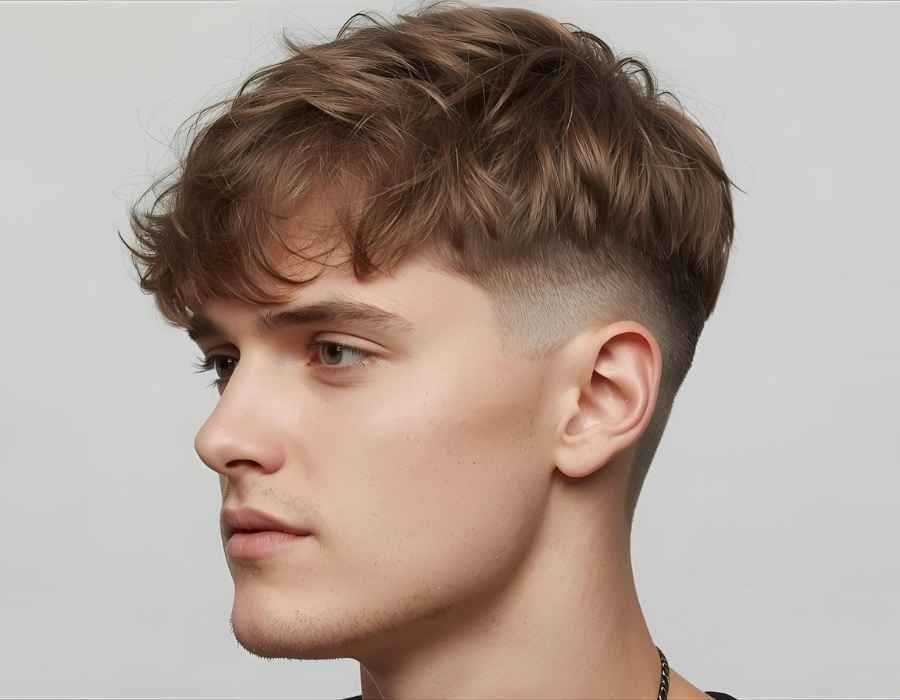
Messy Textured Fringe
A messy textured fringe is a bold, youthful style that adds real personality and visible volume to a modern haircut, where the hair falls naturally with tousled layers and choppy ends for a laid-back, effortless vibe. When paired with a clean low taper fade, the contrast enhances the top with maximum definition, creating controlled chaos that feels intentional.
This look is perfect for fashion-forward individuals, works best with natural shades or sun-kissed highlights, and suits both a clean-shaven look or light stubble, keeping the overall finish relaxed but sharp.
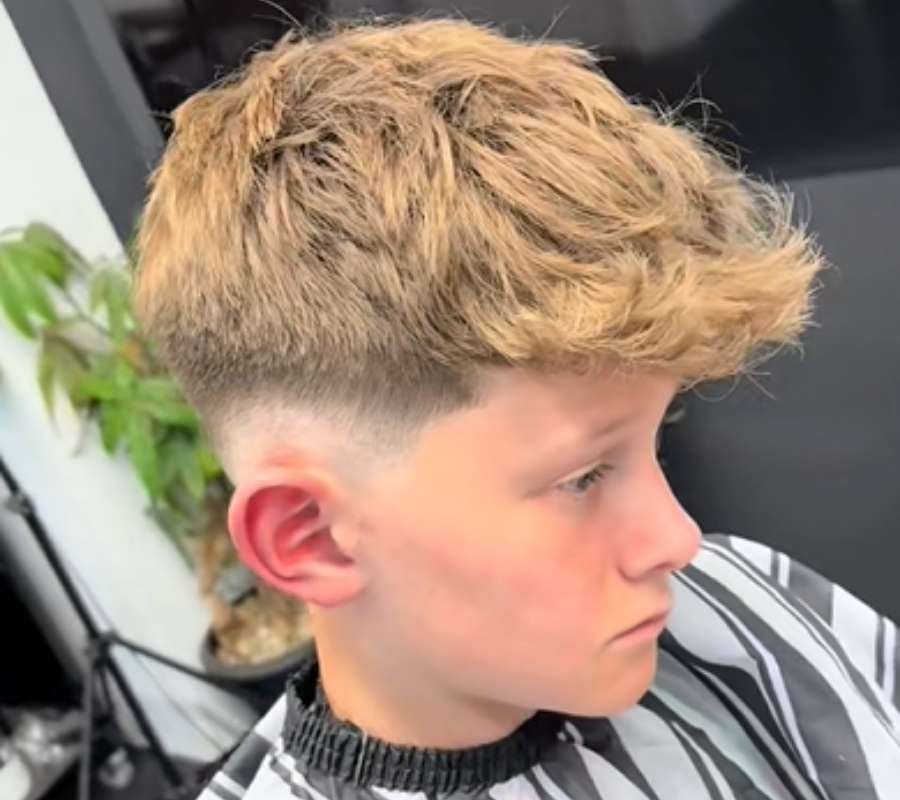
Taper Fade Textured Fringe
A taper fade textured fringe combines a clean fade on the sides with a soft, layered fringe at the front for a modern and balanced look. The textured fringe adds natural movement and light volume, while the taper fade keeps the haircut sharp and tidy.
This contrast gives the style a fresh feel without being too bold. It works well with straight, wavy, or slightly curly hair and suits those who want a stylish haircut that stays easy to manage.
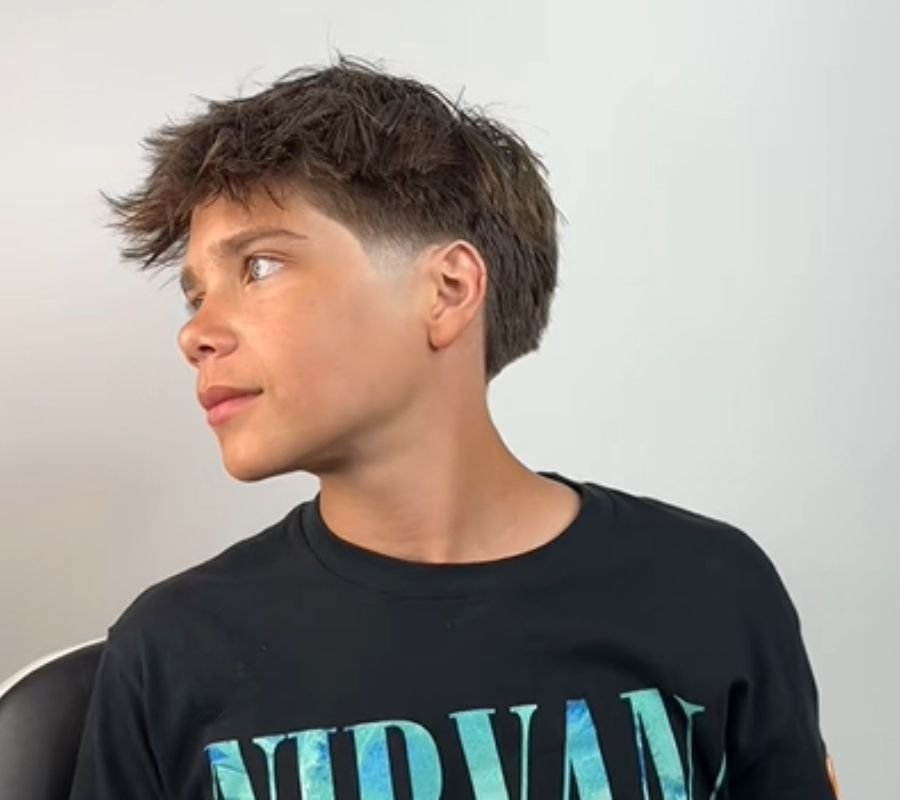
Textured Fringe for Straight Hair
A textured fringe on straight hair creates a clean, modern look with added depth and movement. The straight texture keeps the fringe sharp and defined, while light layering prevents it from looking flat or heavy.
This style frames the forehead neatly and adds a soft edge without losing structure. It’s a great option for anyone who wants a fresh, stylish haircut that looks polished and easy to maintain.
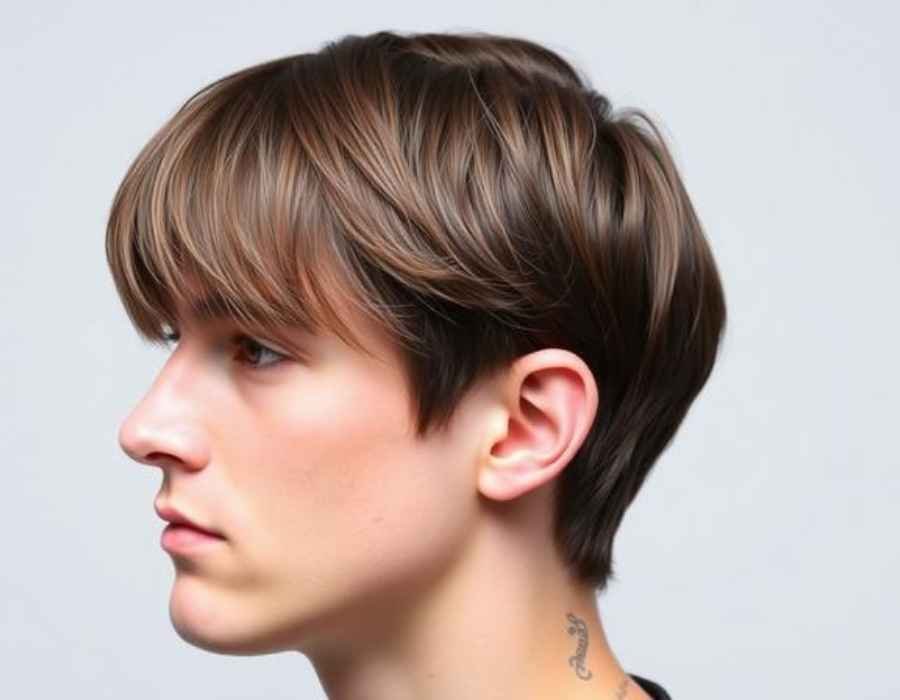
Short Textured Fringe
A short textured fringe is a clean, modern haircut that keeps the fringe cropped while adding light texture for movement. The shorter length makes the style sharp and easy to manage, while the texture prevents it from looking flat or stiff.
This haircut frames the forehead neatly and gives a fresh, youthful feel. It works well for straight or wavy hair and suits anyone who wants a low-effort style with a stylish edge.
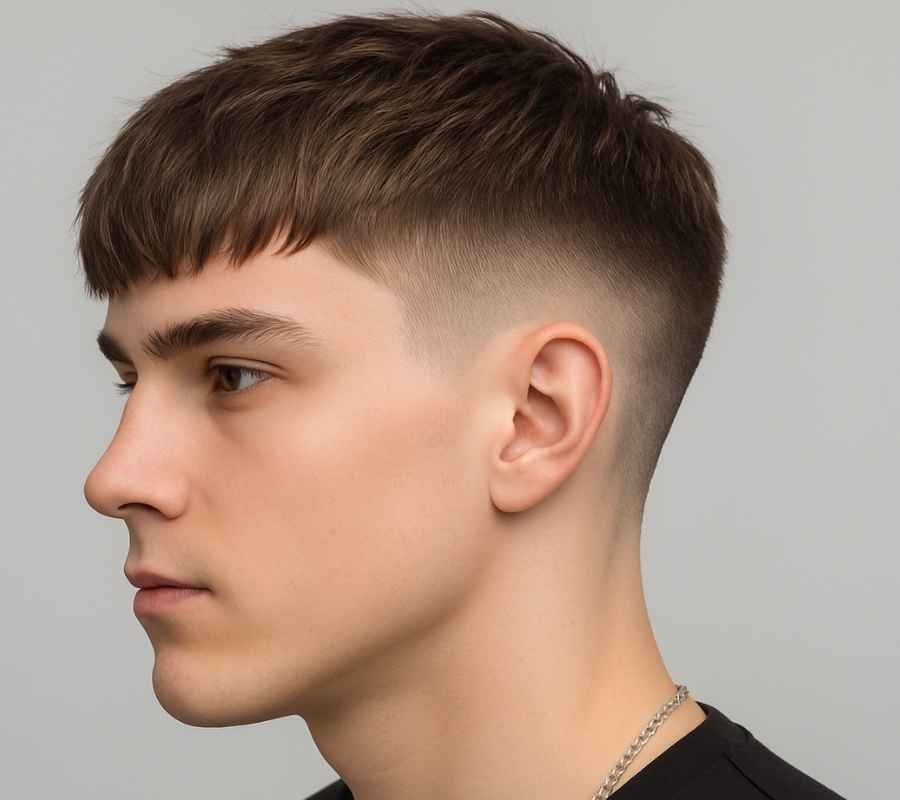
Wavy Textured Fringe
A wavy textured fringe is a relaxed, modern haircut that uses natural waves to create movement and volume at the front. The texture helps the fringe fall softly across the forehead without looking heavy. This style adds depth and a casual edge while still feeling balanced and neat.
It works especially well for naturally wavy hair and suits anyone who wants an effortless, stylish look.
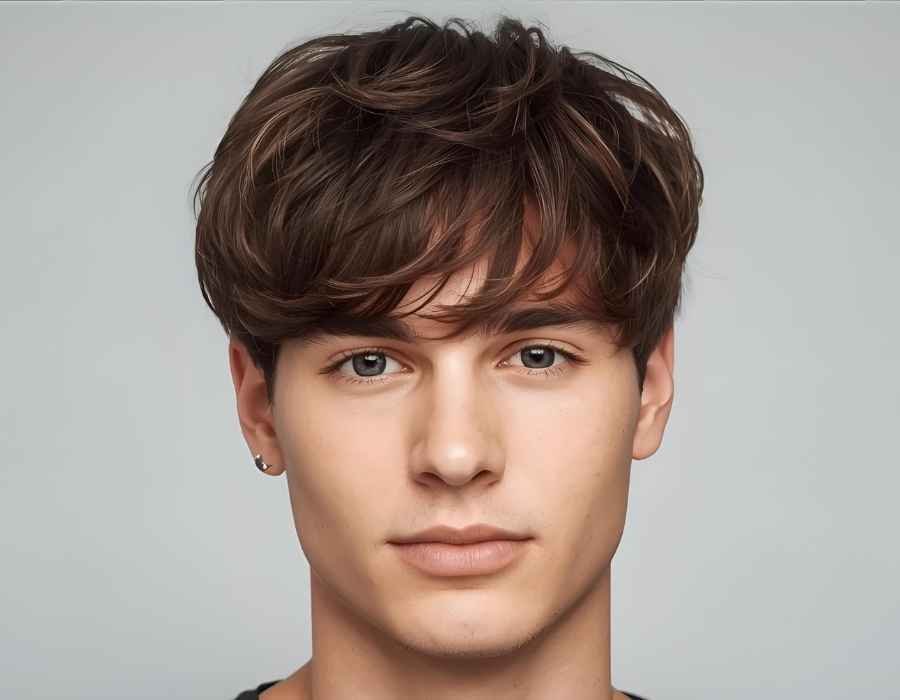
Textured Fringe with High Fade
A textured fringe with high fade creates a bold, modern look with strong contrast between the top and sides. The high fade keeps the sides clean and sharp, while the textured fringe adds movement and volume at the front. This combination makes the haircut stand out and keeps the focus on the fringe.
It works well with straight, wavy, or slightly curly hair and suits anyone who wants a sharp, confident style with a modern edge.
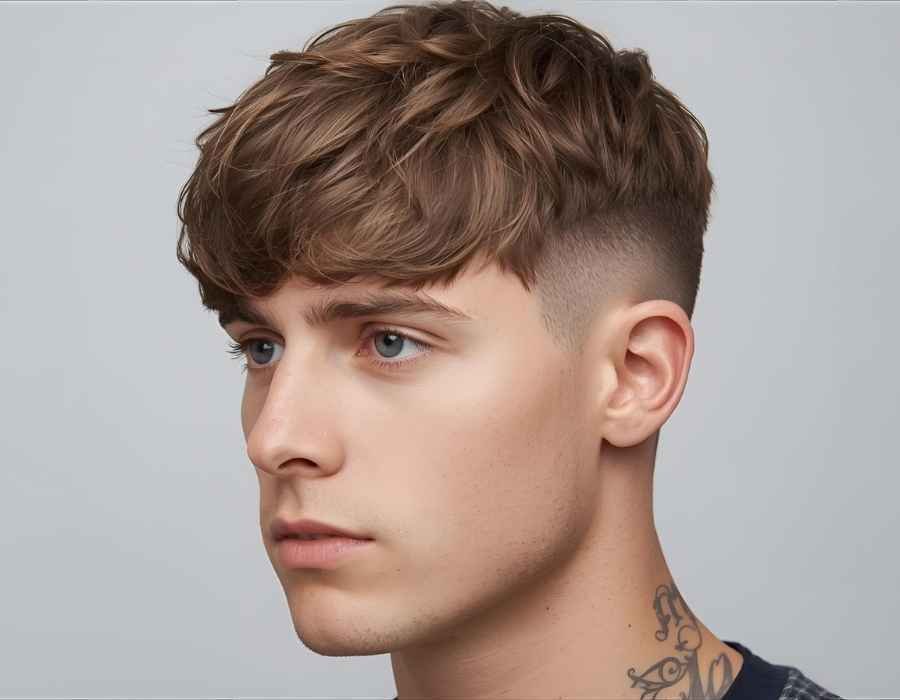
Textured Fringe with Beard
A textured fringe with beard creates a strong, balanced look by mixing soft movement on top with structure around the face. The textured fringe adds natural volume and flow across the forehead, while the beard brings definition and contrast to the jawline.
This combination keeps the style modern without looking overdone. It works well with straight, wavy, or slightly curly hair and suits anyone who wants a confident, well-groomed appearance with character.
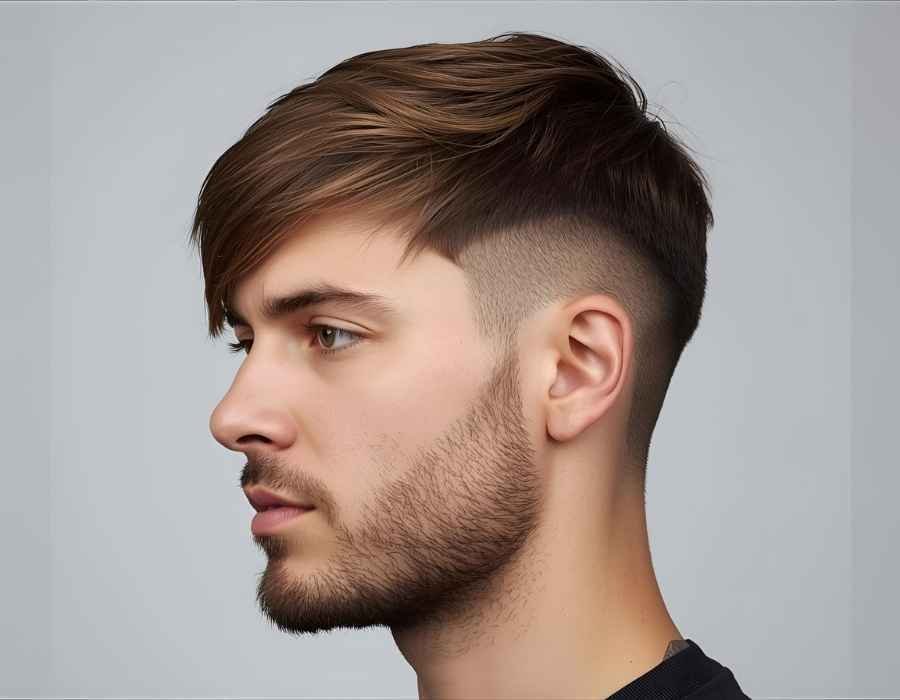
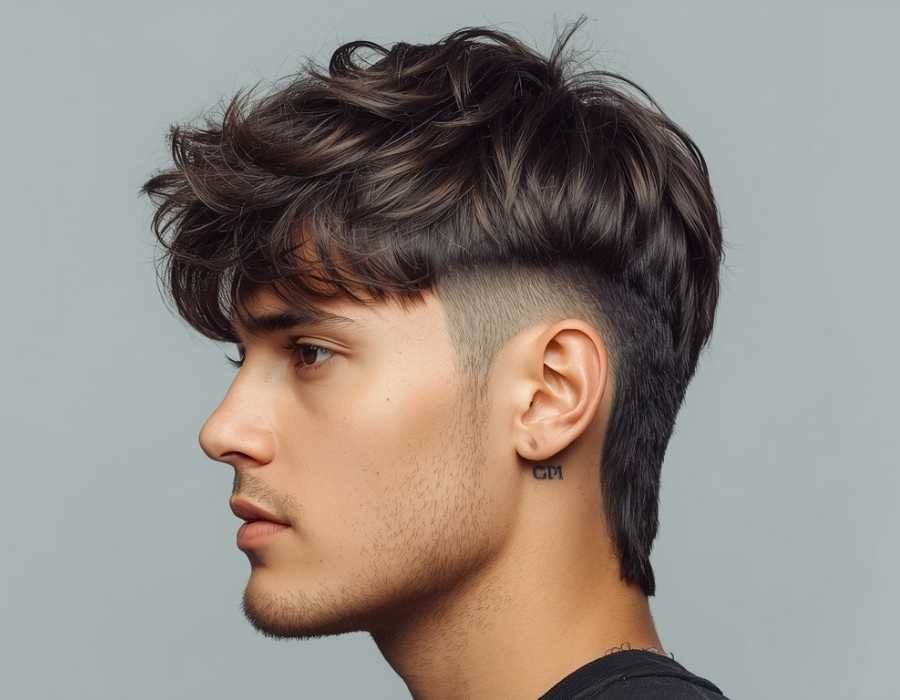
Textured Fringe with Mullet
A mullet with a textured fringe features a bold mix of long, tousled layers at the back and a fringe that frames the forehead, giving the shape a full feel with natural volume. A soft fade above the ears adds contrast and keeps the sides clean, creating a balanced look that still feels raw and expressive.
The messy finish works well with dark tones and subtle highlights that enhance flow, making this cut perfect for youthful, rebellious personalities. It pairs well with minimal facial hair or a light mustache, giving the style edge without looking forced.
Burst Fade Textured Fringe
A burst fade textured fringe blends a rounded fade that curves around the ears with a loose, layered fringe at the front. The burst fade keeps the sides sharp and clean, while the textured fringe adds soft movement and natural volume on top.
This contrast gives the haircut a fresh, modern feel without looking too heavy. It suits straight, wavy, or lightly curly hair and works well for anyone who wants a standout style that still feels balanced and easy to wear.
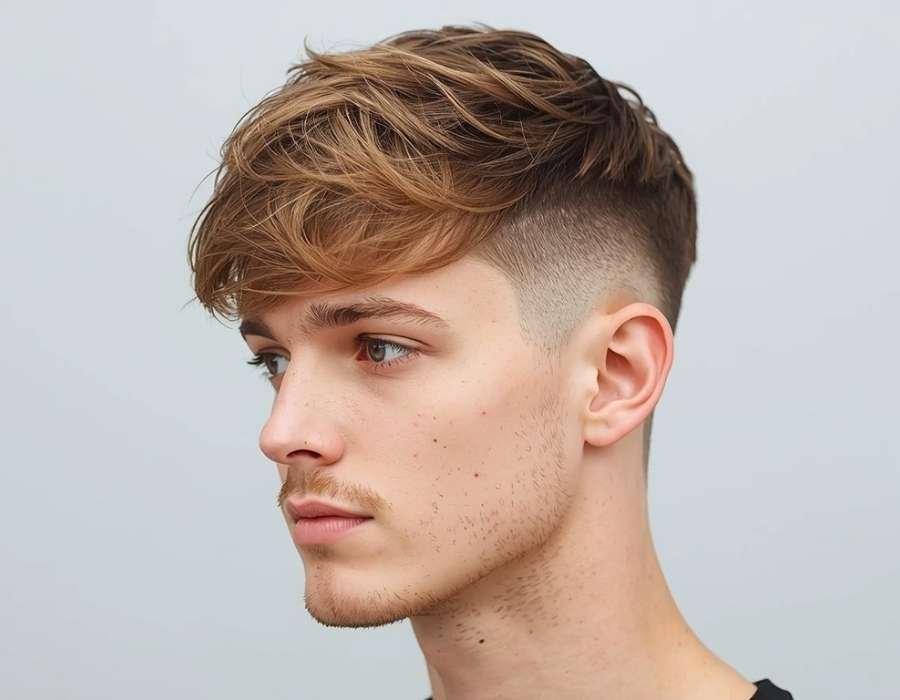
Textured Fringe with Undercut
A textured fringe with an undercut delivers a bold blend of volume and sharp contrast, where the fringe is styled forward with tousled, piecey layers that create effortless texture and natural flow.
The undercut beneath provides dramatic separation, making the top stand out with more definition and a stronger edge, giving the haircut a clean but expressive shape.
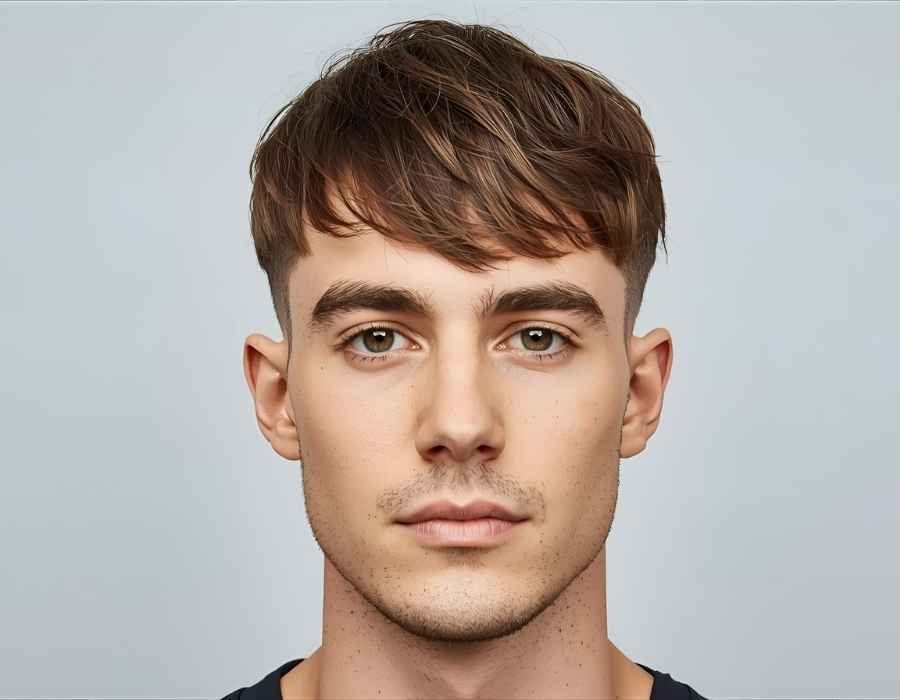
Caesar cut
A Caesar cut with textured fringe is a modern take on the classic Caesar hairstyle. The fringe is lightly layered instead of blunt, giving the hair more movement and a natural look. The top stays short to medium length with visible texture, while the sides are usually tapered or faded. This style is easy to manage and works well for men who want a clean yet modern haircut.
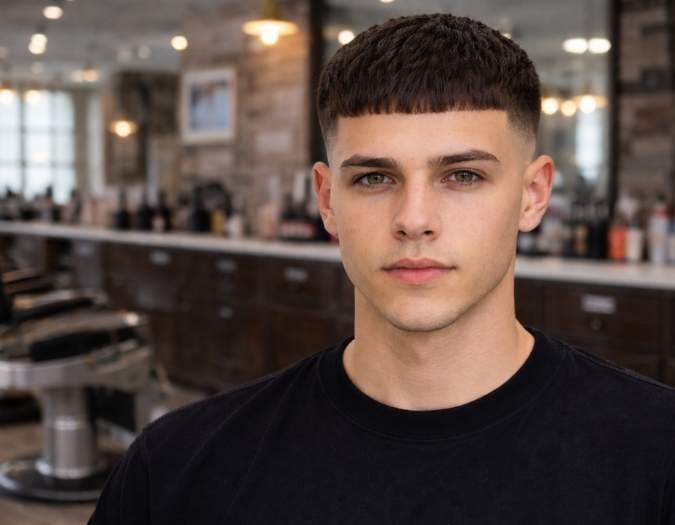
Cropped Texture with Sharp Definition
A cropped fringe with textured detail delivers a bold, edgy look built on sharp contrast and clean structure. The top stays short and styled forward into a blunt finish, giving a strong shape with low volume that feels controlled and modern.
A skin fade that sits high above the ears enhances a crisp outline and sharpens facial features, keeping the haircut precise and intentional.
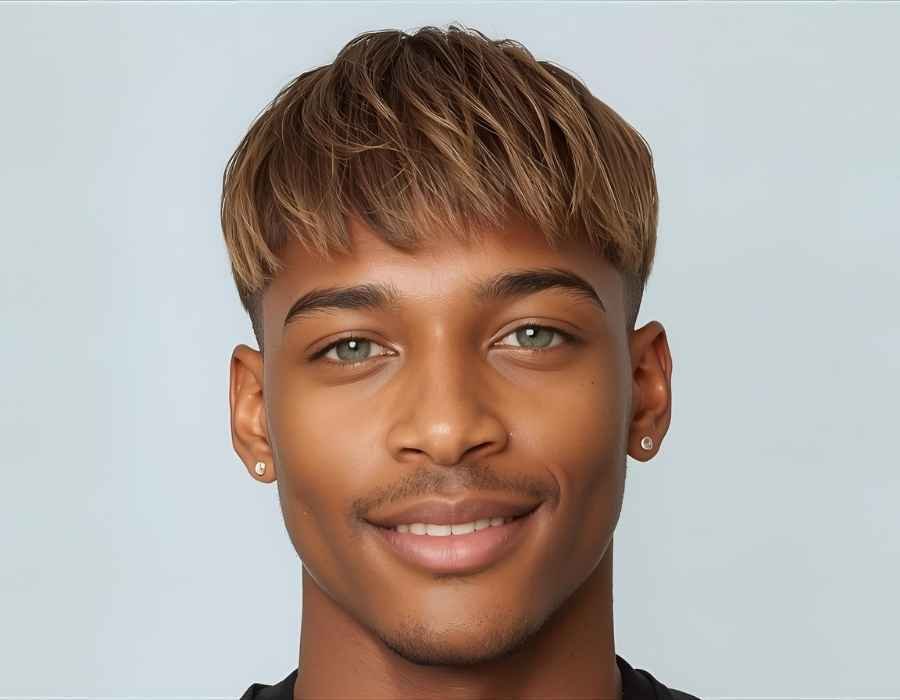
Textured Fringe with Layered Shaggy
A layered shaggy fringe creates a laid-back, medium-length hairstyle built around soft layers and a messy front that adds natural volume. This cut keeps a relaxed shape with textured ends, while light waves give visible movement and a loose, tousled finish that feels easy and lived-in.
A gentle taper at the neck keeps the look clean, balancing texture with structure. Touches of honey or auburn highlights add depth, making the style more expressive and dimensional. This look suits youthful, creative types and pairs well with stubble or no facial hair, letting the fringe stay the focus while the overall vibe remains natural and effortless.
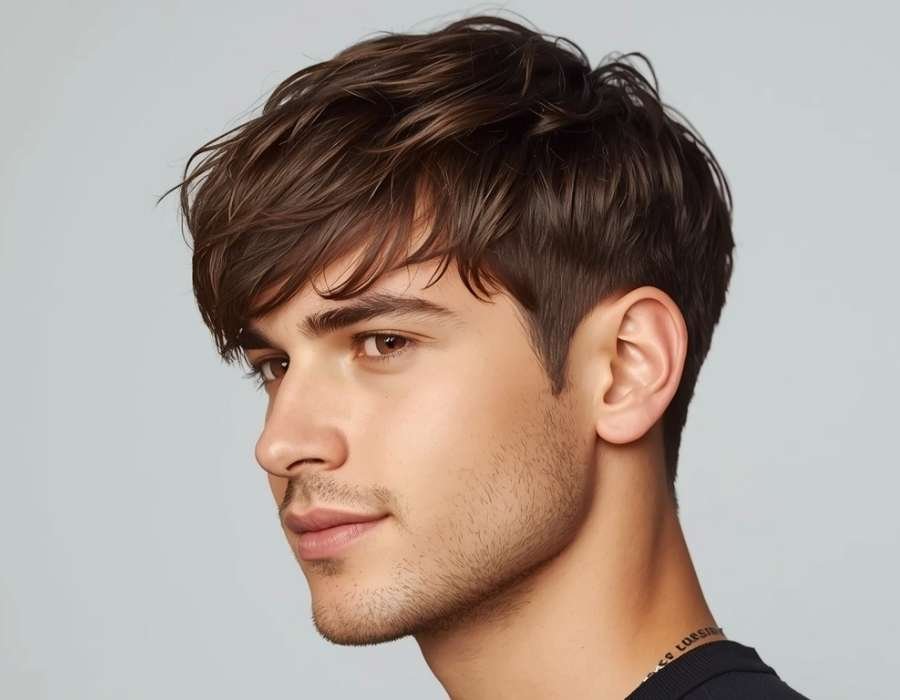
Textured Crop with Skin Fade
A textured crop with skin fade is a sharp, modern haircut that keeps the top short with visible texture while the sides fade clean down to the skin. The textured crop adds definition and light movement at the front, preventing the style from looking flat.
The skin fade creates strong contrast and a crisp outline around the head. This combination gives a bold, fresh look that works well for straight, wavy, or slightly curly hair and suits anyone who wants a clean, confident style.
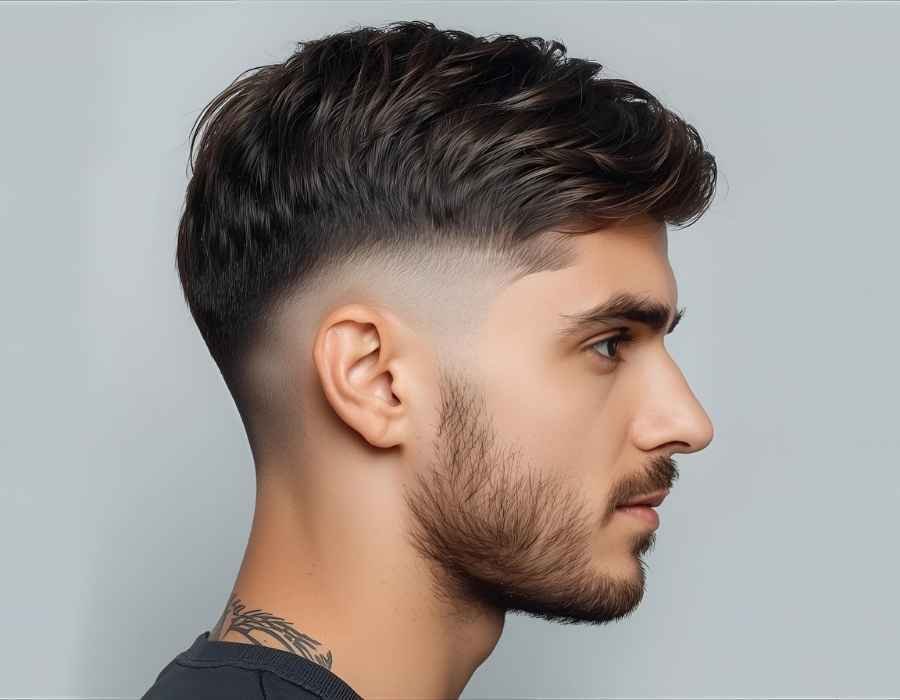
Textured Fringe with Curly Mullet
A curly textured fringe mullet blends tight curls up front with long, flowing curls at the back, creating a bold, retro-inspired shape that adds soft volume without losing control. A sharp fade above the ears keeps the sides clean and modern, helping enhance texture and bounce while keeping the outline crisp.
Warm tones like auburn or golden highlights add dimension, making the look feel alive and expressive. This style works best for creative, rebellious personalities; the style pairs well with a thin mustache or light beard, adding extra edge and confidence without overpowering the curls.
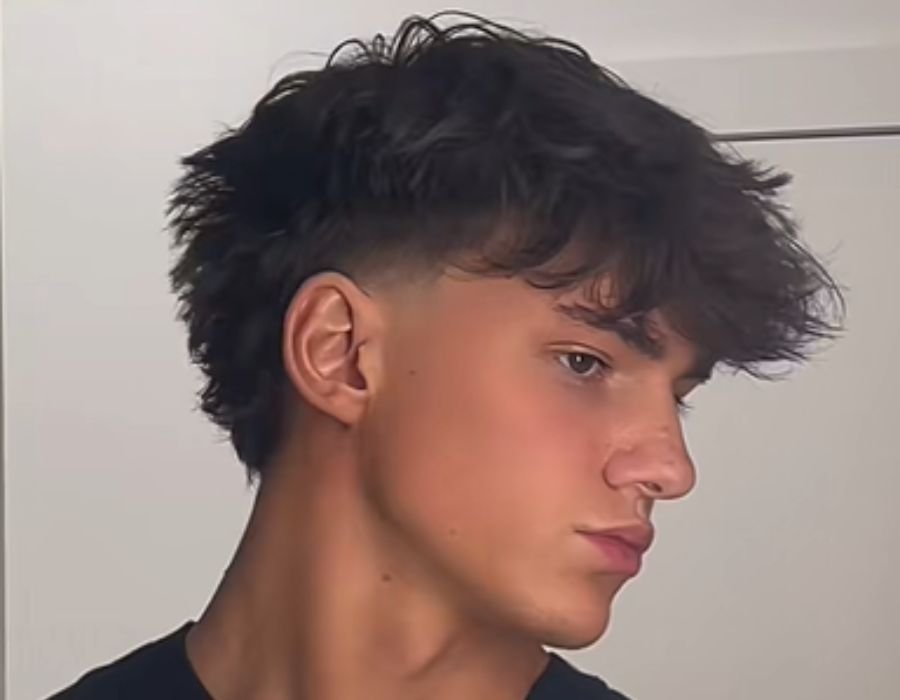
Textured Fringe with Crew Cut
A textured fringe with crew cut combines a short, clean base with added texture at the front for a modern upgrade. The crew cut keeps the sides and back neat and low-maintenance, while the textured fringe adds movement and subtle volume so the style doesn’t feel flat.
This contrast creates a sharp yet relaxed look that feels fresh and practical. It works well with straight or slightly wavy hair and suits anyone who wants a clean haircut with a bit of personality.
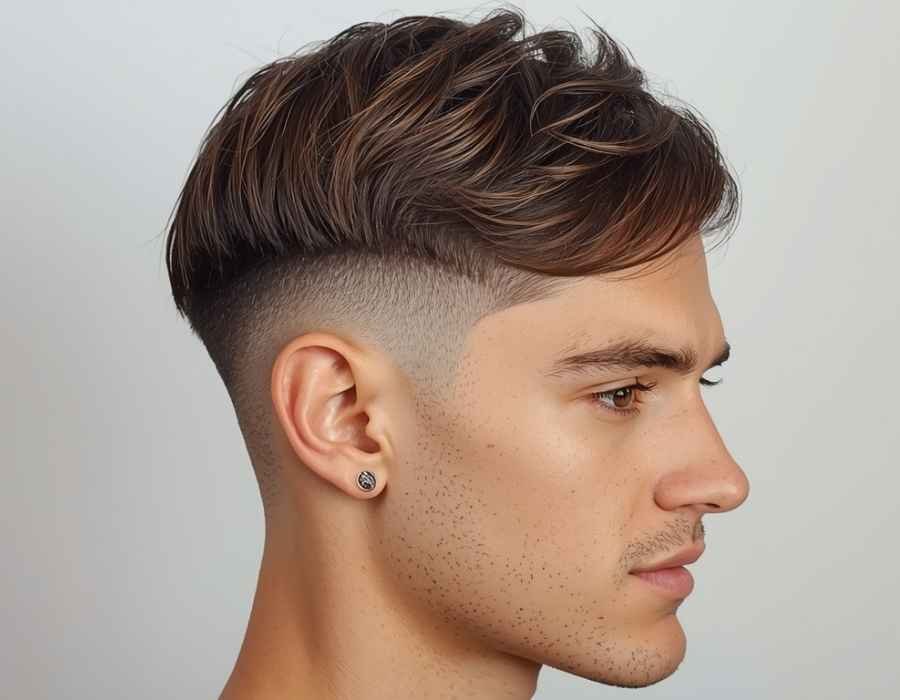
Textured Fringe with Thin Hair
A textured fringe works especially well with thin hair because it adds movement and the illusion of volume without needing extra length. Light texture helps the fringe avoid lying flat, making the hair look fuller and more natural.
Keeping the fringe slightly layered prevents it from appearing wispy or see-through. This style is a great option if you want a modern look that feels lightweight, easy to manage, and visually thicker.
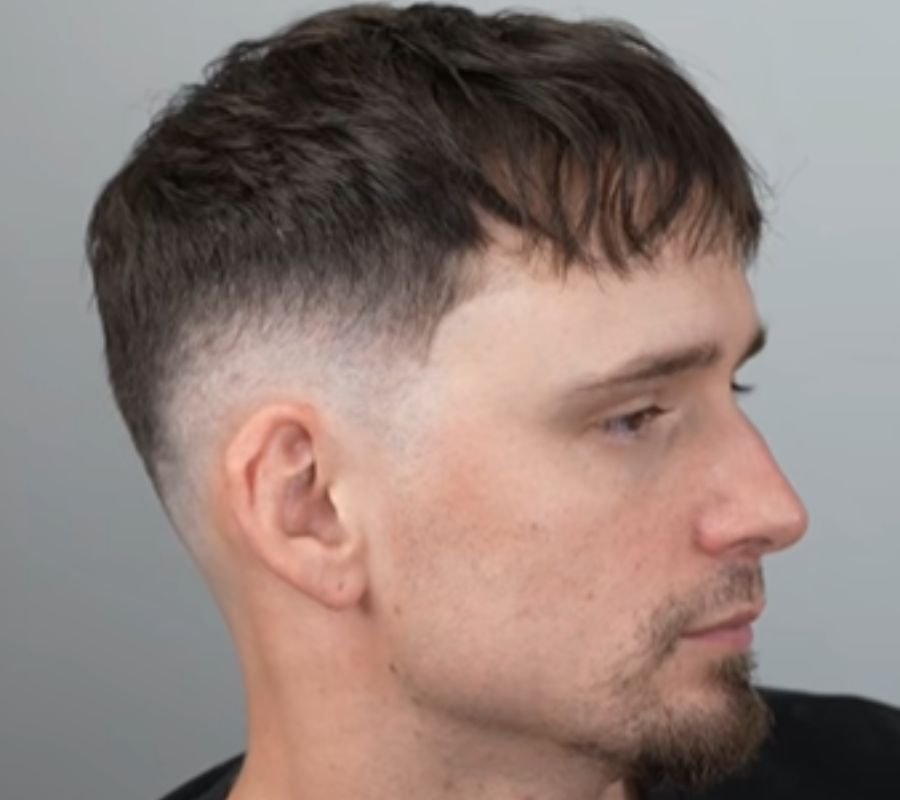
Textured Fringe for Thick Straight Hair
A textured fringe is a great choice for thick straight hair because it removes bulk while keeping the haircut sharp and controlled. Adding texture breaks up the heavy weight of straight hair, helping the fringe fall naturally instead of looking stiff.
This style makes thick hair easier to manage and gives it a clean, modern shape. It’s ideal if you want a structured look with movement and less heaviness at the front.
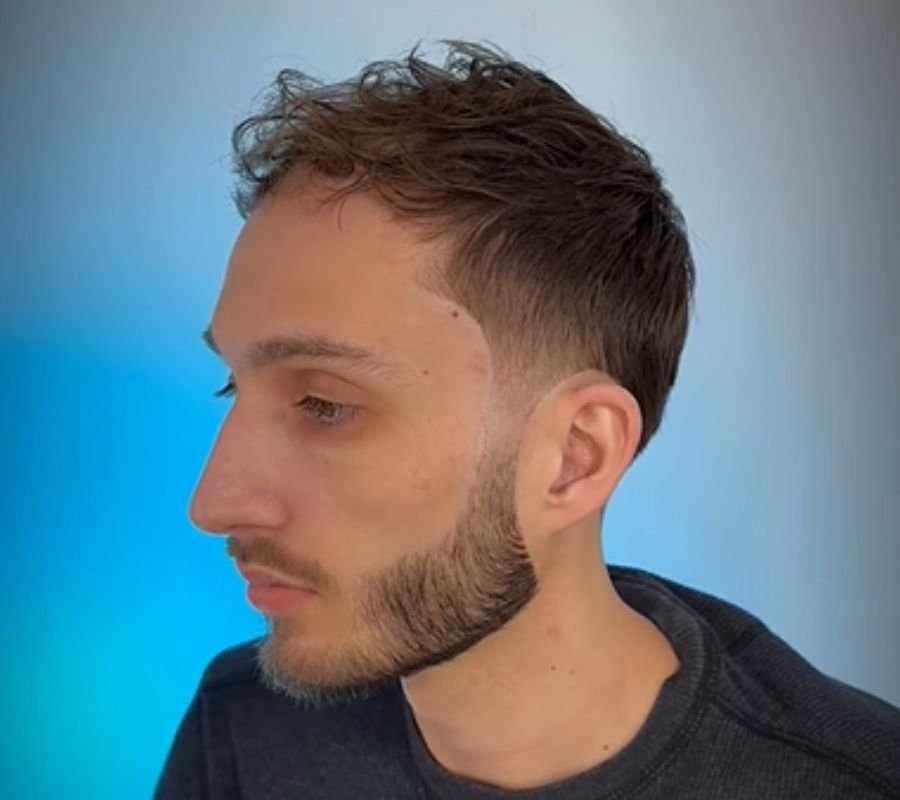
Textured Fringe for Coarse Hair
A textured fringe works well for coarse hair because it helps soften the natural thickness and stiffness of the strands. Texture breaks up the heavy feel, allowing the fringe to fall more naturally instead of sticking out.
Light layering also makes coarse hair easier to manage and shape. This style is ideal if you want a controlled, modern look while
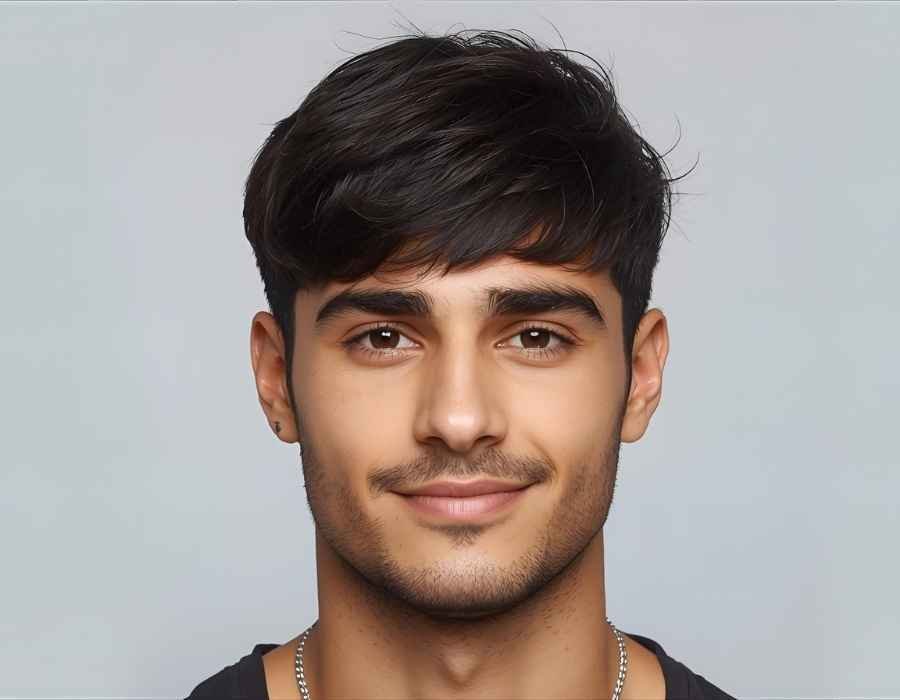
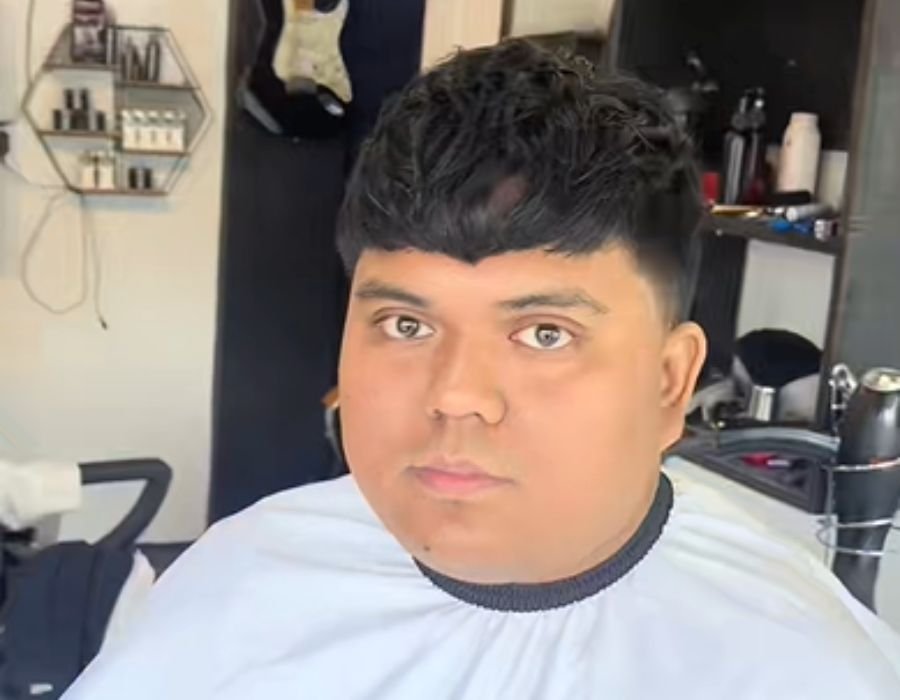
Textured Fringe for a Fat Face
A textured fringe is a smart choice for a fat face because it helps create balance and a slimmer look. The texture adds movement and soft angles that break up roundness, making the face appear longer and more defined.
Keeping the fringe slightly layered instead of blunt prevents it from looking heavy. This style draws attention to the eyes and gives a modern, flattering shape without emphasizing fullness.
Textured Fringe for Thick Wavy Hair
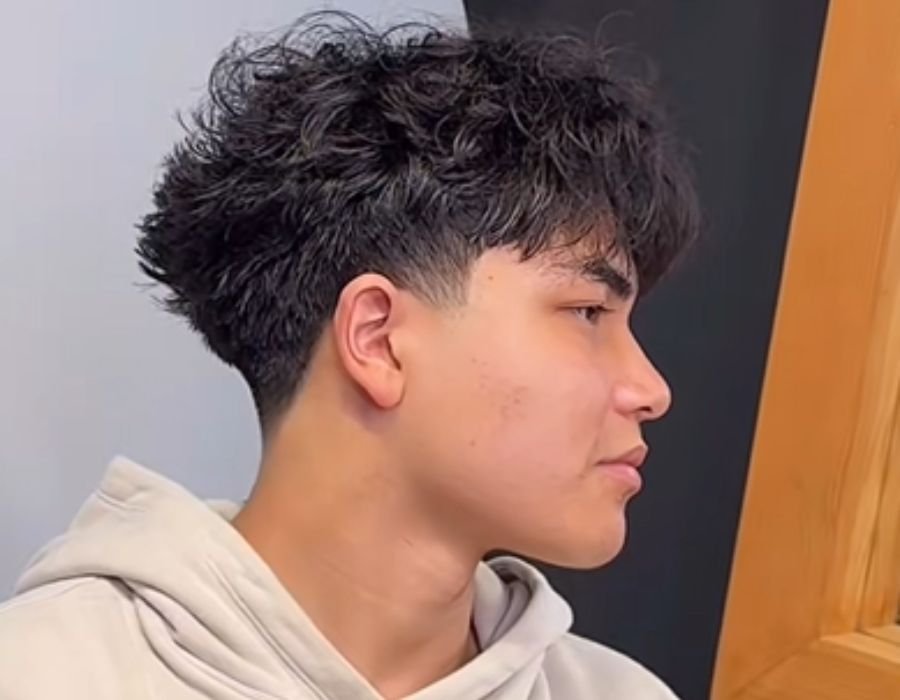
A textured fringe is a great match for thick wavy hair because it controls volume while keeping natural movement. The texture helps break up heavy waves, so the fringe falls softer and doesn’t look bulky.
Light layering lets the waves flow naturally and adds shape around the forehead. This style gives a balanced, modern look that feels full without being overpowering.
Medium Length Textured Fringe for Thick Curly Hair
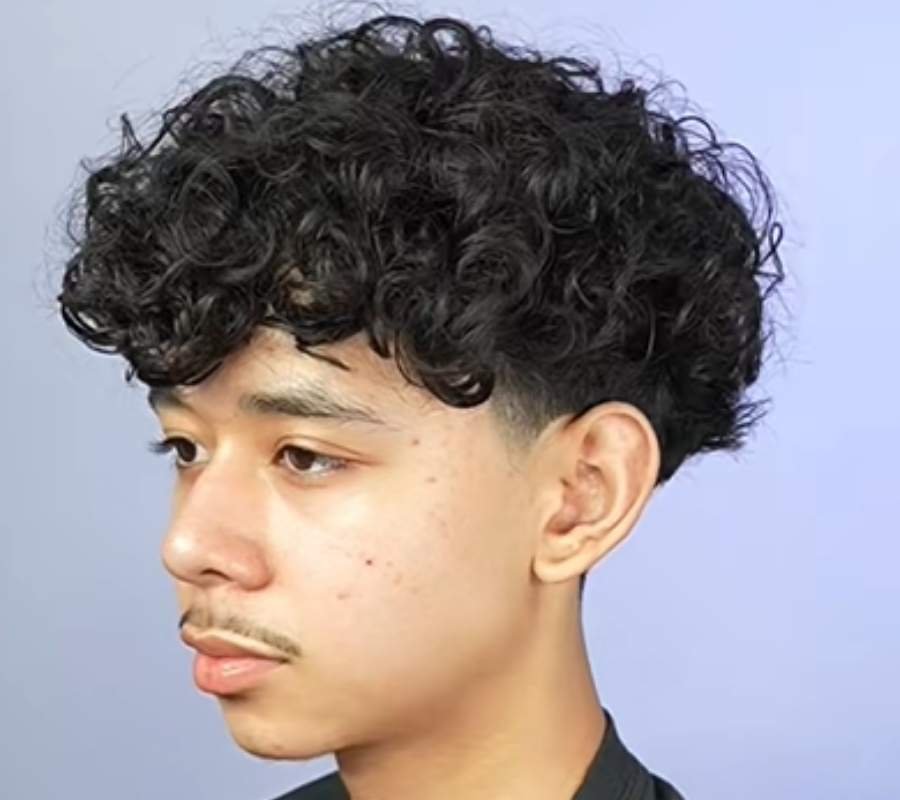
A medium length textured fringe works well for thin curly hair because it adds shape without weighing the curls down. The texture helps curls separate naturally, creating the look of fuller hair and better movement.
Keeping the length medium prevents the fringe from shrinking too much when dry. This style gives thin curls a balanced, soft look that feels light, modern, and easy to manage.
Short Textured Fringe for Thin Curly Hair
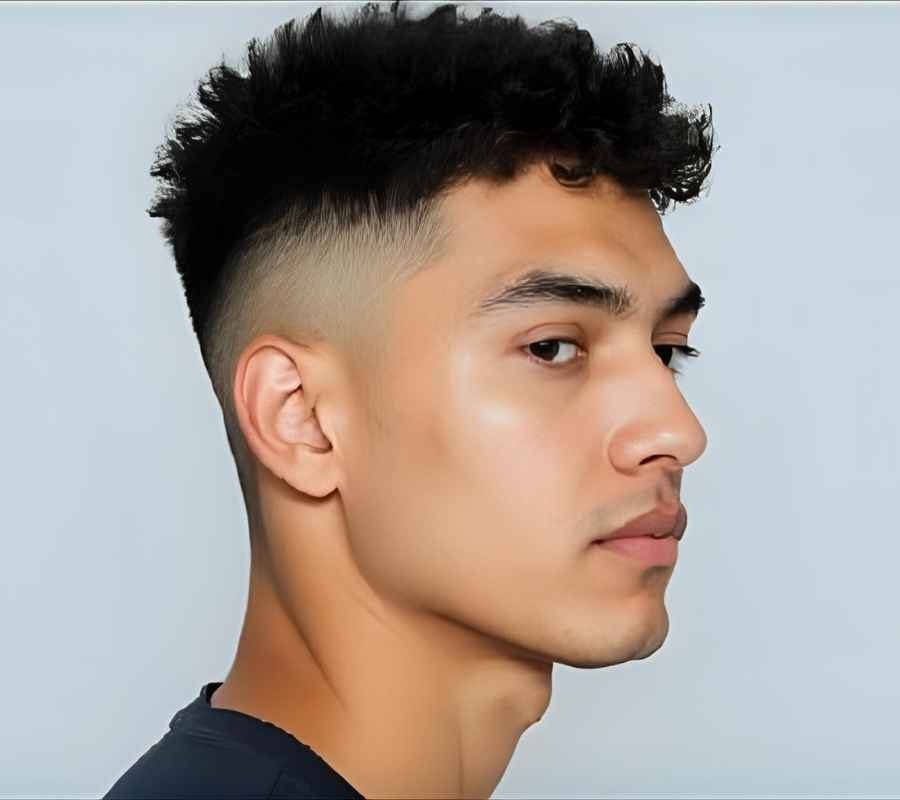
A short textured fringe is a smart choice for thin curly hair because it adds definition without making the curls look heavy. The texture helps curls sit naturally and reduces flat or stringy sections. Keeping the fringe short makes it easier to control while still creating movement at the front.
This style gives thin curls a fresh, modern look that feels light and balanced.
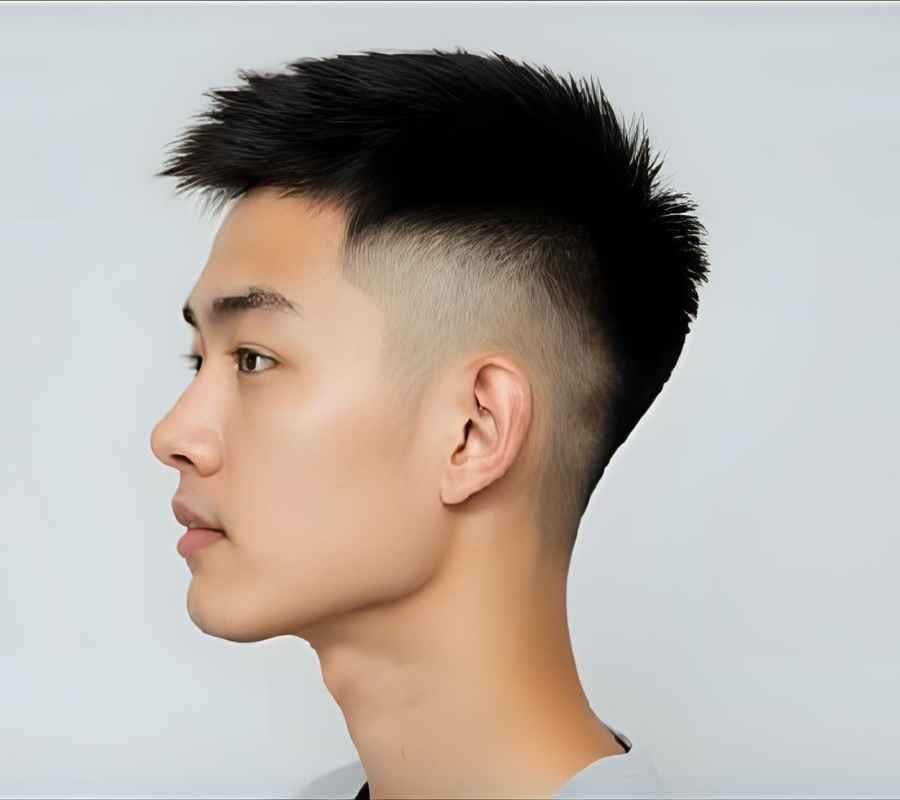
Textured Fringe for Asian Hair
A textured fringe works especially well for Asian hair because it adds movement and softness to naturally straight or thick hair. The texture breaks up heaviness, helping the fringe fall more naturally instead of looking flat or stiff.
This style also makes the hair easier to shape and gives a modern, youthful look. It’s a great option if you want a clean haircut with added depth and flexibility.
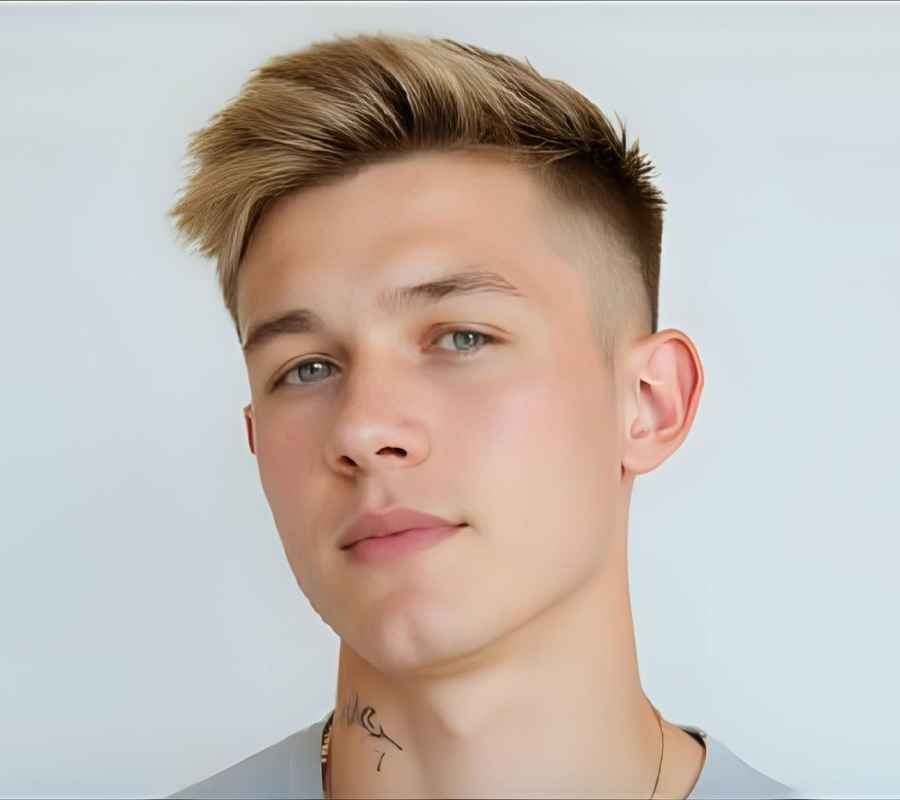
Low Fade Textured Fringe Blonde
A low fade textured fringe in blonde gives a clean, modern look with a soft contrast between the sides and the top. The low fade keeps the haircut neat and subtle, while the textured fringe adds movement and depth at the front.
Blonde tones help highlight the texture, making the fringe stand out without looking heavy. This style works well if you want something fresh, stylish, and easy to wear with a bright, modern finish.
How to Style a Textured Fringe Like a Pro Barber
Simple Steps for Everyday Styling
Styling a textured fringe feels easy when you know what works for your hair type, whether it’s straight, wavy, or curly. The right steps always help you get the look you want, with full volume, visible texture, and clean style.
Start by washing your hair and gently drying it until it’s clean and slightly damp, because this makes shaping easier and better overall. This stage sets the base so the fringe can hold its shape naturally.
Shaping, Drying, and Final Touch
Next, focus on keeping curls soft and defined, or letting straight and wavy hair fall naturally as you add lift at the roots. You can lightly scrunch or let the hair air dry to build movement before you finish by adjusting the fringe into place.
A great final check in the mirror makes a difference—this small pro tip can enhance balance and boost confidence, turning everyday styling into a polished routine.
How to Maintain a Textured Fringe
Simple Routine for Lasting Shape
Keeping a textured fringe fresh starts with a simple routine where consistency reduces daily styling time and keeps your look sharp. Use minimal effort—just enough to define texture without weighing hair down and follow the less is more rule for natural movement.
Wash 2-3 times a week to maintain healthy oils, then trim every 3-4 weeks to preserve shape and prevent uneven growth.
Quick Refresh Between Trims
On busy days, focus on purpose by directing attention to the roots to boost volume and structure. For a quick midweek refresh, mist lightly with water, reshape with your fingers, and keep things easy. These tips ensure an effortless finish that holds up between cuts.
Why Choose a Textured Fringe
A textured fringe is a great choice because it adds natural movement and depth without looking heavy or stiff. The texture helps the fringe sit better on different hair types and face shapes, making it easy to adjust for a clean or relaxed look.
It also grows out more naturally than blunt styles, so it needs fewer touch-ups. If you want a hairstyle that looks modern, flexible, and effortless, a textured fringe is a smart option.
How to Talk to Your Barber About a Textured Fringe
Start with Clear Style Intent
When you use clear phrases and simple words, talking to your barber becomes easier. While sitting in the chair, make requests that are simple but specific, so you can clearly say what you want.
If you prefer a textured fringe, explain whether you like it short, choppy, and natural in texture, or if you want it to sit just above the eyebrows. Mention details like low taper fade on the sides so nothing feels confusing or rushed.
Explain Shape and Technique
It helps to ask for details that guide the cut, such as point cutting for softer ends and a cleaner finish. By mentioning what you prefer, you give useful direction without overcomplicating things.
Talking about the look, the shape, and how much movement you like helps your barber understand your style goals better and avoid gaps in communication.
Use Photos and Visual References
Bringing photo references can make a big difference. Bring clear photos of the haircut you like, showing both front and side views. Images help highlight different types of fringe styles and make it easier to talk about exact length, type of fade you like, and the level of texture you want.
Sharing how much time you’re willing to spend on styling your hair each day gives a full picture of your lifestyle and goals.
Learn a Few Key Terms
Knowing a small glossary of key terms before you go can really help. Understanding how choppy or piecey means slightly uneven, or how feathered ends give a light, airy feel, helps bridge gaps.
When you casually use one or two of these terms, it shows confidence and helps ensure you get the textured fringe you want.
Products for a Textured Fringe
Choosing the right products helps a textured fringe look defined without feeling heavy. The key is to match the product to your hair type and the finish you want. Lightweight options keep movement natural, while stronger products add control and hold when needed.
For straight or fine hair, a light sea salt spray or texturizing spray adds grip and volume without stiffness. Wavy hair works well with matte cream or light wax, which enhances texture while keeping the fringe flexible. If you have curly hair, a curl cream or leave-in conditioner helps define curls and reduce frizz while keeping the fringe soft.
Always start with a small amount and build up slowly. Using too much product can weigh the fringe down and remove its natural movement. The goal is balance—enough product to shape and define, but light enough to keep the fringe looking effortless and fresh.
What are the pros and cons of texture fringe?
Pros of a Textured Fringe
- Adds natural movement and volume, making hair look fuller
- Works well with straight, wavy, or curly hair
- Suits many face shapes and can be adjusted easily
- Grows out more naturally than blunt fringes
- Looks modern and effortless, not stiff or flat
- Easier to restyle daily compared to very sharp cuts
Cons of a Textured Fringe
- Still needs regular trims to keep its shape
- Can lose definition if hair is too fine without light styling
- May require daily adjustment to sit correctly
- Not ideal for very oily hair if not maintained
- Humidity can affect texture, especially for straight hair
What Face Shape does a Textured Fringe Look Good on?
A textured fringe is one of the most versatile hairstyles and looks good on almost every face shape. Here’s how it works for each one:
- Oval face: The best match. A textured fringe adds balance and keeps the face looking natural and well-proportioned.
- Round face: Texture helps break up softness and adds angles, making the face appear longer and slimmer.
- Square face: A textured fringe softens sharp jawlines and strong features for a more relaxed look.
- Heart face: The fringe balances a wider forehead and draws attention toward the eyes.
- Long face: A textured fringe shortens the face visually and adds width across the forehead.
Because the texture can be adjusted—short, long, messy, or layered—it’s easy to tailor a textured fringe to your face shape and personal style.
FAQs about textured fringe
Is a textured fringe attractive?
Yes, a textured fringe is considered attractive because it adds natural movement, depth, and a modern feel to the hairstyle. It frames the face well, suits many face shapes, and gives a relaxed but stylish look that doesn’t feel overdone.
How do I ask for a textured fringe?
To ask for a textured fringe, explain clearly that you want the front left soft and layered rather than blunt or straight. Tell your barber how long you want the fringe, such as short, medium, or sitting just above the eyebrows, and describe what you want on the sides, like a low fade or taper.
What does textured fringe do
A textured fringe adds movement, depth, and shape to the front of your hair. It helps hair look fuller, softer, and more natural while giving the haircut a modern, effortless style.
Is textured fringe good for thin hair?
Yes, a textured fringe is very good for thin hair because it adds movement and creates the illusion of more volume. The texture stops the fringe from lying flat, making thin hair look fuller, lighter, and more natural without needing heavy styling.
What is fringe vs bangs?
Fringe and bangs mean the same thing—they both refer to hair that falls over the forehead.
The difference is mostly language and style, fringe is commonly used in the UK and often sounds softer or more textured, while bangs is the American term and is often associated with a more blunt or defined cut.